34ºc, Sunny
 - Tuesday, 28th July, 2026

 34ºc, Sunny Tuesday, 28th July, 2026
Published on 21 Apr 2026, 03:40 PM by NewsAdd
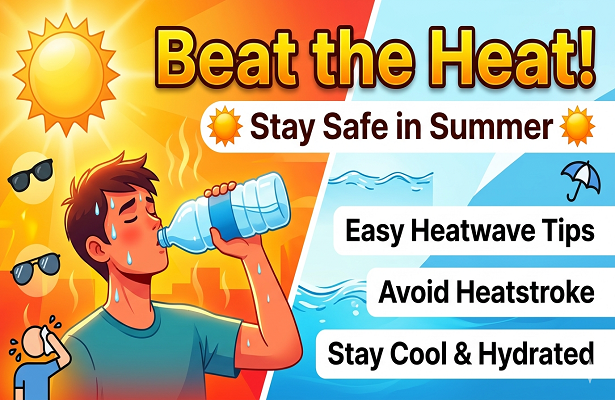
Every year, summer temperatures are rising, and heatwaves are becoming more intense. In 2026, many regions are already experiencing extreme heat conditions, making it essential to take proper precautions. Excessive heat can lead to dehydration, heat exhaustion, and even heatstroke, which can be dangerous if not handled in time.
In this article, we will explore simple and effective ways to protect yourself from extreme heat and stay healthy during the summer season.
One of the most important things during hot weather is to keep your body hydrated. Drink plenty of water throughout the day, even if you don’t feel thirsty. You can also include fresh juices, coconut water, and electrolyte drinks to maintain fluid balance. Avoid excessive caffeine and alcohol, as they can cause dehydration.
Choose loose-fitting, light-colored clothes made from breathable fabrics like cotton. These help your body stay cool by allowing air circulation. Avoid dark colors, as they absorb more heat and can make you feel hotter.
Try to stay indoors between 12 PM and 4 PM, as this is when the sun is at its strongest. If you must go outside, wear a hat, sunglasses, and apply sunscreen to protect your skin from harmful UV rays.
During summer, your diet plays a big role in maintaining your energy levels. Eat light meals that are easy to digest, such as fruits, vegetables, and salads. Water-rich foods like watermelon, cucumber, and oranges are excellent choices to keep your body cool.
Use fans, coolers, or air conditioners to maintain a comfortable indoor temperature. Keep curtains closed during the day to block direct sunlight. Taking cool showers can also help regulate your body temperature.
Be aware of symptoms like dizziness, headache, nausea, excessive sweating, or weakness. These may indicate heat exhaustion. In severe cases, heatstroke can occur, which requires immediate medical attention. If you or someone else shows these signs, move to a cool place, drink fluids, and seek help if needed.
Apply sunscreen with SPF 30 or higher before stepping out. Reapply it every few hours if you are outside for a long time. This helps prevent sunburn and long-term skin damage.
Children and older adults are more vulnerable to heat-related illnesses. Ensure they stay hydrated, avoid sun exposure, and remain in cool environments as much as possible.
Protecting yourself from extreme heat is not difficult if you follow simple daily habits. Staying hydrated, eating healthy, avoiding peak sun hours, and keeping your surroundings cool can make a big difference. As temperatures continue to rise, being aware and prepared is the key to staying safe and healthy during the summer season.